Summer doesn’t end so much as it gets talked out of leaving. The properties in this dispatch have all opened their doors within the last two years, and each one gives you a reason to stretch the season a little further: an island reborn under new ownership, a cliffside retreat on a Cycladic island most people still can’t place on a map, a pensione revived to its original glamour, a hamlet of restored shepherd’s huts, a coastal hideaway built to disappear into pine forest. None of them are trying to be everywhere at once. That’s rather the point.
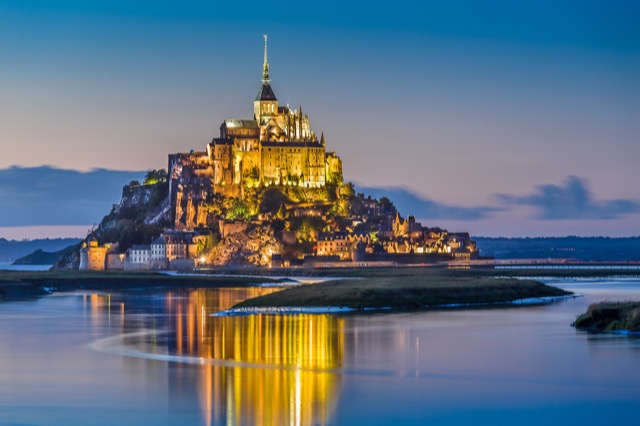
Zannier Île de Bendor (Bandol, France)
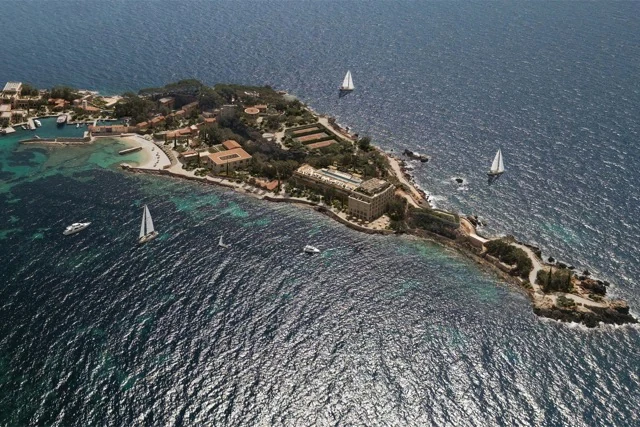
A private island, once the playground of a pastis magnate, remade as a Provençal village
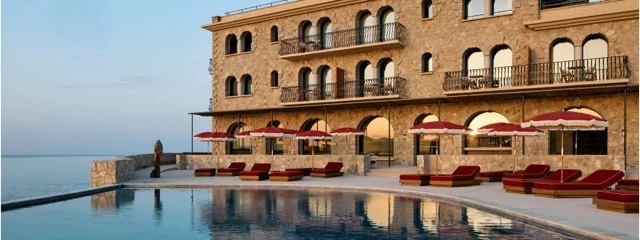
Seven minutes by boat from Bandol sits a six-hectare island that Paul Ricard bought in 1950 for himself, his friends, and — legend has it — one resident sheep. After a five-year transformation, Zannier Hotels has reopened it as a 93-key hotel built like a village: three restaurants, four bars, a café, a creperie, and a 1,200 square-metre wellness centre spread across the old footprint of art museums and diving schools Ricard built in his day. The old-world glamour is intact; the plumbing is not from 1950.
Gundari (Folegandros, Greece)
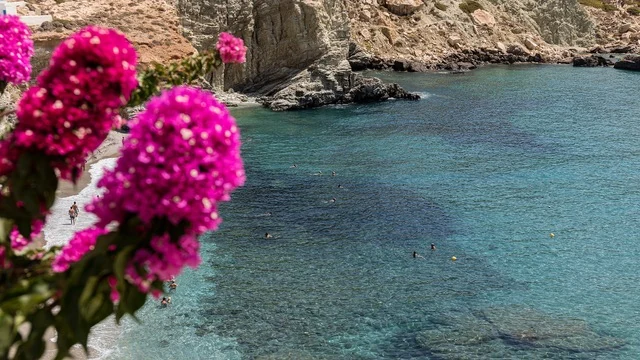
The Cyclades’ quiet island gets its first five-star, and it doesn’t look like anywhere else
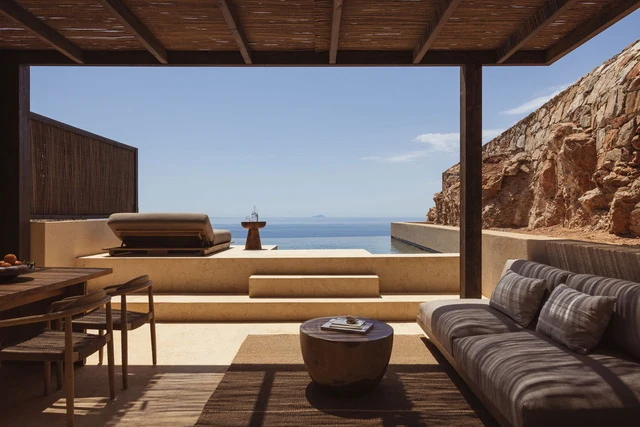
Folegandros sits an hour from Santorini by ferry and a world away in temperament — fewer crowds, more silence, a coastline that still feels undiscovered. Gundari was the island’s first five-star opening, and it made a point of not doing the expected whitewash-and-blue. The 27 suites and villas are built low into the excavated rock of the site, finished in stone, straw, and timber, each opening onto a private terrace and infinity pool. The restaurant is run by Michelin-starred chef Lefteris Lazarou, and the hotel’s own motorboats reach beaches and tavernas that the ferry crowd never sees.
Pensione America (Forte dei Marmi, Italy)
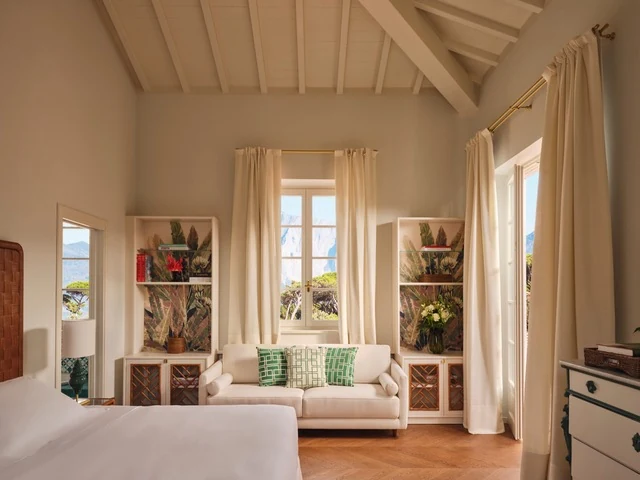
A humble old pensione, quietly turned into one of Tuscany’s most understated stays
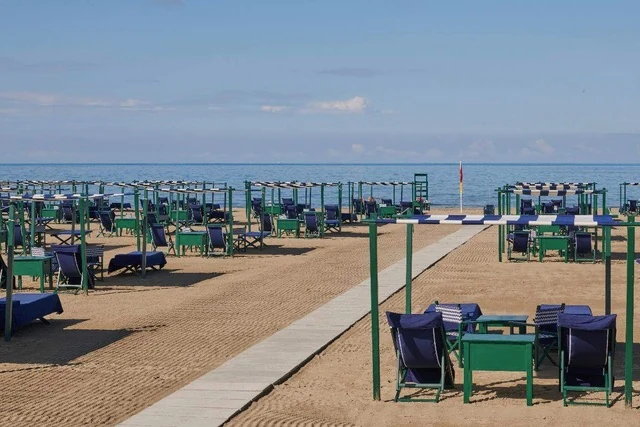
You could walk past the gate without noticing, which is rather the intention. The Maestrelli family took a modest, decades-old pensione a few streets from Forte dei Marmi’s beach and rebuilt it as an adults-only retreat of just seventeen rooms, keeping the hand-painted wallpaper and the original exterior colour while adding the quiet comforts — Santa Maria Novella toiletries, a pool framed by lawns and shaded verandas, breakfast on the terrace. It has already picked up a Michelin Key. First-row access to a beach club a minute away seals the case for lingering.
Vestige Binidufà (Menorca, Spain)
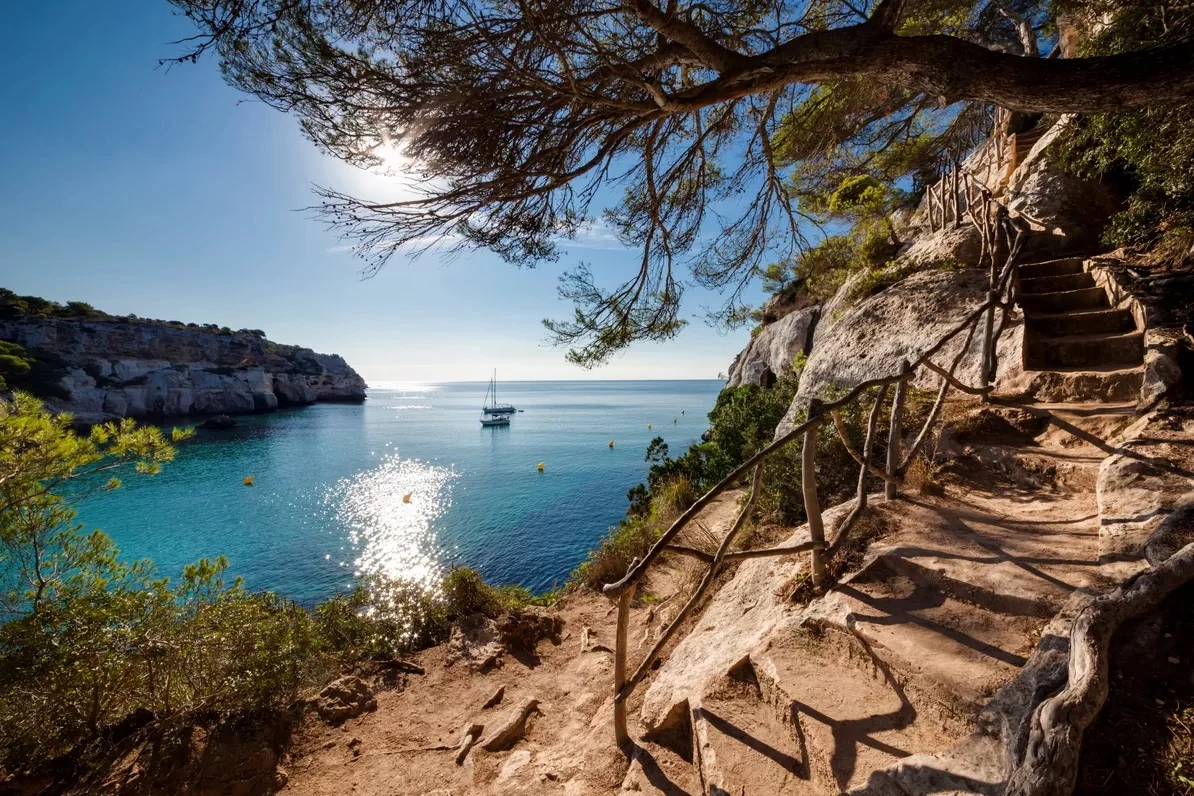
An 18th-century estate, restored into the quieter half of a rare dual-hotel destination
Binidufà is the older of two restored properties on an 800-hectare estate in Menorca’s sparsely developed north, its Moorish-rooted name a nod to the island’s long agricultural history. It sits in a sheltered valley, complementing its hilltop sister hotel Son Ermità — guests move freely between the two, sharing wellness facilities, two restaurants, and grounds that reach down to three untouched coves. Every room opens onto a private terrace or garden, and the restoration leans deliberately rustic: organic bath products, wholesome plant-based dining, treatments scented with native herbs rather than anything imported for the occasion.
Spatia Comporta (Comporta, Portugal)
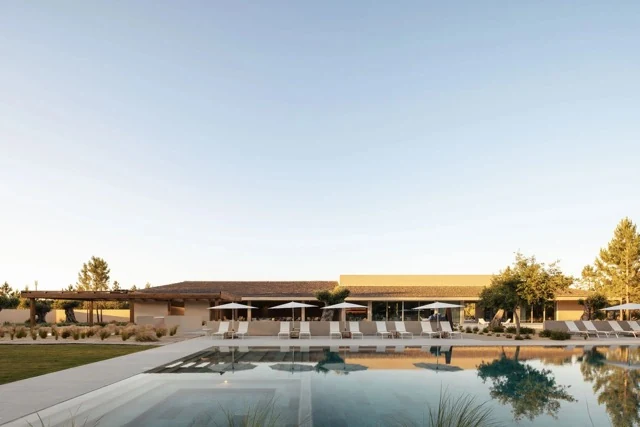
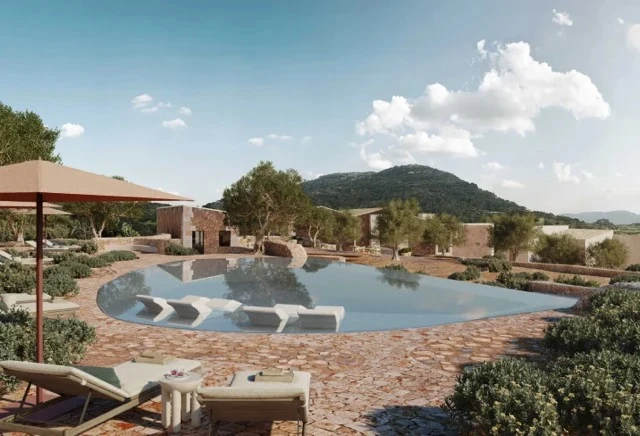
A study in restraint, set into 170 hectares of pine forest above the Atlantic
Comporta has spent the last few years quietly becoming Portugal’s answer to the Hamptons, and Spatia is its most disciplined new arrival. The architecture is deliberately unshowy — clean lines, wide-spaced villas and cabanas, full-length glass that dissolves the line between room and pine forest — and it holds a Michelin Key for the effort. ŌRA, the signature restaurant, draws on Alentejo’s coast and countryside in equal measure, and the estate’s own bicycles make the short ride down to Comporta’s famously empty beaches part of the daily rhythm rather than an errand.
Ready to stretch your summer a little further? Whether it’s a private island off Provence or a pine-shaded hideaway above the Atlantic, let us plan your late-season escape.